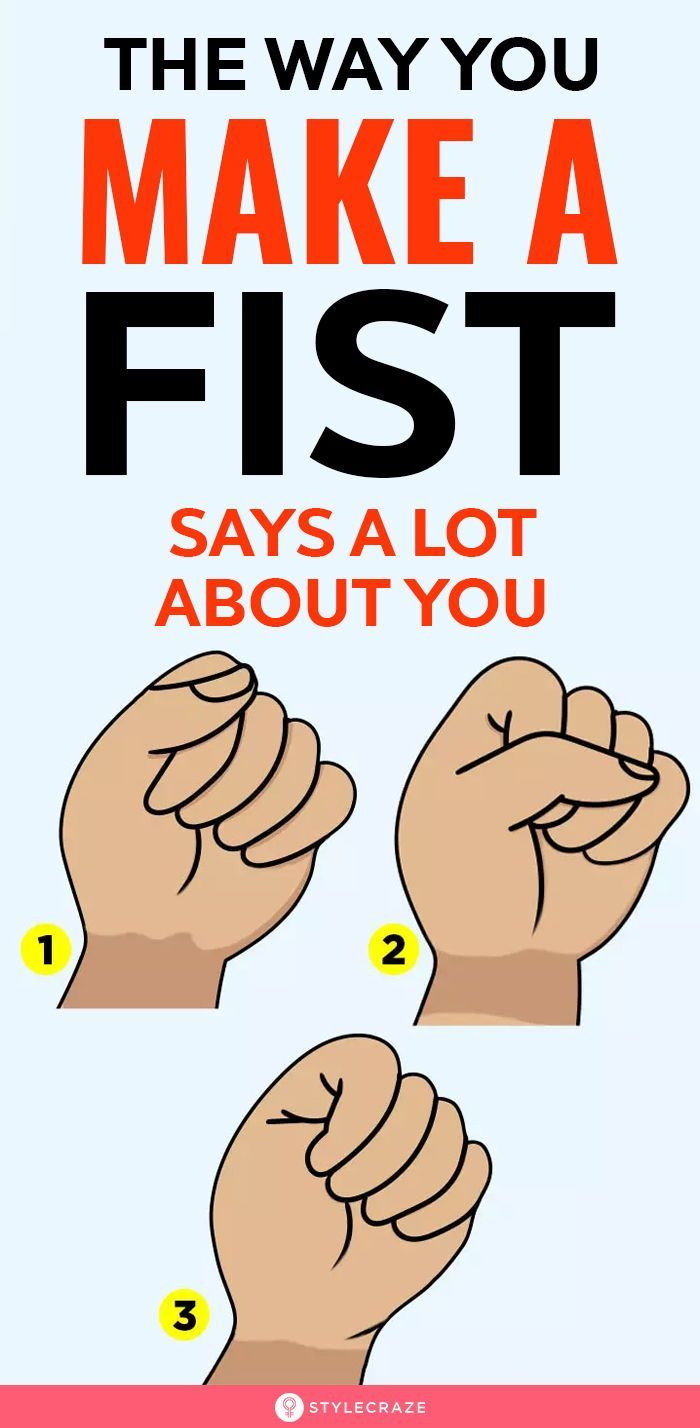
Your hands do a lot of quiet talking. They fidget when you are nervous, relax when you feel safe, and curl into a fist in a very specific way when you are angry, determined, or simply resting them on a table. Hand analysts, body language researchers, and personality hobbyists have long argued that the exact shape of your fist — which fingers tuck where, how tight you squeeze, where your thumb lands — offers a small window into how you think and feel. This list walks through 17 distinct fist styles and what each one is often said to suggest about the person making it. Treat it as a fun mirror, not a scientific verdict, and see how many descriptions feel oddly familiar.
Table of Contents(Click to Toggle)
- Why the Way You Make a Fist Says So Much
- 17 Fist Styles and What They Reveal
- 1. The Tight Full Fist
- 2. The Loose Curl
- 3. The Thumb-Over Fist
- 4. The Thumb-Tucked Fist
- 5. The Pinky-Out Fist
- 6. The Index-Pointing Fist
- 7. The Flat-Knuckle Fist
- 8. The Half Fist
- 9. The Slow-Forming Fist
- 10. The Instant Fist
- 11. The Shaking Fist
- 12. The Hidden Fist
- 13. The Palm-Up Fist
- 14. The Palm-Down Fist
- 15. The Two-Handed Fist
- 16. The Relaxed Resting Fist
- 17. The Mirror Fist
- Bonus Mentions
- What Your Fist Really Says About You
Why the Way You Make a Fist Says So Much
Hands are one of the most expressive parts of the body, and fists sit right at the intersection of emotion and habit. When you clench your hand, you are doing something that is both instinctive and learned: babies curl their fingers before they can speak, athletes ball their hands before a sprint, and negotiators sometimes hide a clenched fist under the table. Because the motion is so automatic, the small variations between one person’s fist and another’s tend to be consistent — and consistency is exactly what personality observers look for. A fist that always tucks the thumb inward, for example, is a different signal than one that always lets the thumb rest on top. None of this replaces real psychological assessment, but it does make for a surprisingly revealing party game, a journaling prompt, or a way to notice your own emotional patterns. The 17 styles below cover the most commonly described fist shapes, from the aggressive squeeze to the barely-there curl, with notes on what each one is often associated with.
17 Fist Styles and What They Reveal
1. The Tight Full Fist : The signature of focused determination
What it is: All four fingers curl deeply into the palm, the thumb wraps firmly across the middle fingers, and the knuckles whiten slightly from the pressure.
Category: High-intensity fist
Why it stands out: This is the fist people make when they are holding something back — anger, excitement, or a big decision. Body language writers often link it to people who are goal-driven and who prefer to keep their emotions under tight control until they are ready to act.
Best for: Noticing how you respond in high-stakes moments, like before a presentation or a difficult conversation.
2. The Loose Curl : A sign of easygoing calm
What it is: The fingers curl gently without pressing into the palm, and the hand looks more like a soft shell than a weapon.
Category: Low-intensity fist
Why it stands out: People who naturally form this shape tend to be described as relaxed, patient, and slow to anger. The absence of tension in the hand is often read as an absence of inner conflict.
Best for: Anyone curious about how their resting hand posture matches their everyday mood.
3. The Thumb-Over Fist : Confidence you can see
What it is: The thumb rests on top of the curled index finger instead of being tucked inside, leaving the thumb visible from the front.
Category: Open fist
Why it stands out: This is one of the most common fist shapes in photos of athletes and performers. The visible thumb is often read as a small display of confidence — the hand is closed, but not completely guarded.
Best for: People who want a quick read on how assertive they appear to others.
4. The Thumb-Tucked Fist : The private perfectionist
What it is: The thumb folds inside the fingers so the hand looks almost like a smooth block, with no thumb visible at all.
Category: Guarded fist
Why it stands out: Hand analysts often associate this with people who are self-critical and detail-oriented. The hidden thumb is said to mirror a habit of keeping their best ideas — and their worries — close to the chest.
Best for: Reflecting on whether you tend to overthink before you share something.
5. The Pinky-Out Fist : A touch of playful independence
What it is: The three middle fingers curl in, but the pinky stays slightly extended or lifted away from the group.
Category: Expressive fist
Why it stands out: This shape shows up often in casual, social settings. It is frequently linked to people who value their individuality and who dislike being told exactly how to do things.
Best for: Creative types who want a lighthearted personality prompt.
6. The Index-Pointing Fist : The natural communicator
What it is: The hand curls into a fist but the index finger stays straight, as if the fist is mid-gesture rather than fully closed.
Category: Gesture fist
Why it stands out: This is the fist of someone who talks with their hands. It is commonly seen in teachers, salespeople, and anyone who instinctively emphasizes a point while speaking.
Best for: Understanding why you reach for gestures when you explain something.
7. The Flat-Knuckle Fist : Steady under pressure
What it is: The fingers curl in a straight line so the knuckles form a flat surface, almost like a table edge.
Category: Controlled fist
Why it stands out: A flat line of knuckles suggests even, measured pressure rather than a sudden squeeze. People who make this shape are often described as reliable and unflappable in a crisis.
Best for: Anyone who wants to check how they handle stressful situations.
8. The Half Fist : The thoughtful in-betweener
What it is: The fingers curl only partway, leaving a visible gap between the fingertips and the palm.
Category: Transitional fist
Why it stands out: This is the fist of someone who is still deciding. It is often seen when a person is listening carefully or weighing two options, and it is linked to open-minded, analytical personalities.
Best for: Noticing your own body language during decision-making moments.
9. The Slow-Forming Fist : Patience in motion
What it is: The hand closes gradually over several seconds rather than snapping shut all at once.
Category: Deliberate fist
Why it stands out: A slow clench is often read as a sign of self-restraint. People who do this tend to process emotions internally before reacting, which can make them excellent mediators.
Best for: People who want to understand their own anger style.
10. The Instant Fist : Fast reflexes, faster feelings
What it is: The hand snaps into a tight fist in a fraction of a second, often without conscious thought.
Category: Reactive fist
Why it stands out: This shape is common in people with quick reflexes and strong gut instincts. It can signal passion and decisiveness, though it may also mean emotions arrive before logic does.
Best for: Anyone who has ever been told they “wear their heart on their sleeve.”
11. The Shaking Fist : Intensity that leaks out
What it is: The fist is clenched so hard that the hand trembles slightly from the effort.
Category: High-tension fist
Why it stands out: A shaking fist usually means the emotion behind it is bigger than the moment allows. It is often linked to people who feel things deeply and who care intensely about fairness and justice.
Best for: Recognizing when you need to step away and breathe.
12. The Hidden Fist : The quiet observer
What it is: The fist is formed under a table, behind the back, or inside a pocket, out of view of others.
Category: Concealed fist
Why it stands out: Hiding a clenched hand is a classic self-soothing move. People who do this are often described as private, observant, and highly aware of how they come across.
Best for: Introverts who want a small insight into their social habits.
13. The Palm-Up Fist : Openness with a backbone
What it is: The hand curls into a fist but the palm faces upward, as if offering something.
Category: Expressive fist
Why it stands out: An upward-facing fist blends two signals: strength and invitation. It is often associated with people who are warm and approachable but still firm about their boundaries.
Best for: Anyone curious about how they balance kindness and assertiveness.
14. The Palm-Down Fist : The natural leader
What it is: The fist is formed with the palm facing the ground, knuckles forward.
Category: Assertive fist
Why it stands out: Palm-down gestures are widely associated with authority and control. A palm-down fist is often seen in people who are comfortable taking charge and making the final call.
Best for: People who want to understand their default leadership style.
15. The Two-Handed Fist : All-in commitment
What it is: Both hands clench at the same time, usually in response to the same trigger.
Category: Symmetrical fist
Why it stands out: Symmetrical clenching suggests whole-body involvement. It is often linked to people who commit fully to whatever they are doing, whether that is a project, a cause, or a relationship.
Best for: Reflecting on how you show enthusiasm.
16. The Relaxed Resting Fist : Comfortable in your own skin
What it is: The hand curls loosely while resting on a lap, armrest, or desk, with no visible tension at all.
Category: Passive fist
Why it stands out: This is the fist of someone who is at ease. It is often associated with people who are grounded, self-assured, and rarely rattled by small inconveniences.
Best for: A quick check-in on how relaxed you actually feel.
17. The Mirror Fist : The social chameleon
What it is: You form a fist that matches the shape of someone else’s fist in the same conversation, often without realizing it.
Category: Social fist
Why it stands out: Mirroring is a well-documented rapport-building behavior. People who unconsciously copy another person’s hand shape tend to be highly empathetic and skilled at making others feel understood.
Best for: Anyone interested in the subtle mechanics of connection.
Bonus Mentions
The Fist-Bump Fist : Casual confidence in a greeting
A loose fist offered for a bump is a friendly, low-pressure gesture. It is often linked to people who are approachable but prefer a little personal space.
The Knuckle-Crack Fist : Restless energy
Clenching and releasing to crack the knuckles is commonly associated with nervous energy or a need to stay in motion.
The Thumbs-Up Fist : Optimism on display
A closed hand with the thumb raised blends determination with a positive, encouraging attitude.
The Fist Under the Chin : Deep thinking
Resting a loose fist against the chin is a classic posture of concentration and reflection.
What Your Fist Really Says About You
Hand shapes are not a crystal ball, but they are a fascinating mirror. The way you make a fist pulls together your habits, your mood, and the way you have learned to handle pressure — all in one small, automatic motion. Some people clench tight when they are excited; others barely curl their fingers at all. Neither is better or worse. What matters is that you noticed. Pay attention to your hands the next time you are nervous, happy, or deep in thought, and you may catch a pattern you never realized you had. So which fist style sounds most like you — the tight full fist, the loose curl, or something in between? Share your result in the comments and compare with everyone else.