Nestora
Crispy Chinese Takeout Sesame Chicken – Easy 50-Minute
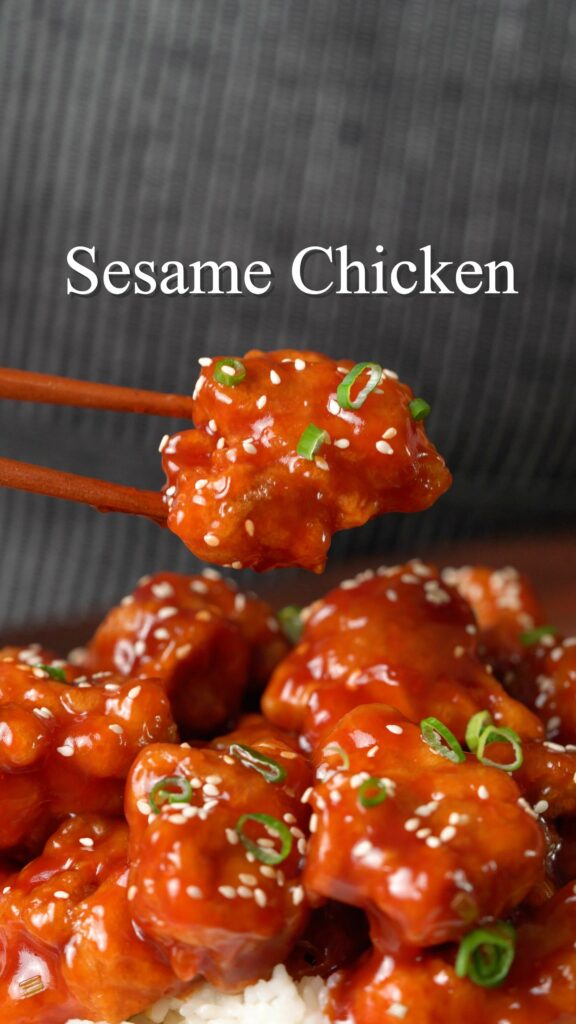
Chinese takeout sesame chicken is the dish that makes everyone fight over the last piece: craggy, golden-brown chunks of chicken thigh coated in a glossy, garlicky-sweet sauce and showered with toasted sesame seeds. The magic is a two-stage coating of cornstarch and flour, which fries into a shell that stays crisp even after it meets the sauce.
Most home versions go wrong because the sauce is too thin or the chicken steams instead of crisping. This recipe fixes both with a cornstarch slurry for a clingy glaze and a hot 350F (175C) first fry followed by a 375F (190C) flash fry for shatter-crisp edges.
Everything comes together in one wok and one pot, with pantry staples you probably already own. It is faster than waiting for delivery, and you control the sugar, salt, and heat.
Why You'll Love This Recipe
About the Ingredients
2 lb (900g) boneless skinless chicken thighs, cut into 1-inch pieces
Thighs stay juicy and are hard to overcook; chicken breast works but brine it in salt water for 15 minutes first. Buy thighs labeled 'boneless skinless' and trim any large fat pockets.
1/2 cup (60g) cornstarch
Cornstarch is the secret to a crunchy shell; potato starch is a 1:1 substitute. Check the date, since old cornstarch clumps and coats unevenly.
1/4 cup (30g) all-purpose flour
Flour adds structure so the coating does not slide off; a gluten-free 1:1 blend works fine. Whisk it with the cornstarch so no flour pockets remain.
2 large eggs, beaten
Egg is the glue between chicken and dredge; buttermilk or 1/2 cup milk plus 1 teaspoon vinegar also works. Beat until no streaks of white remain.
1/3 cup (80ml) low-sodium soy sauce
Low-sodium keeps the glaze from turning salty after reduction; tamari is a gluten-free swap. For deeper flavor, use half dark soy sauce.
1/3 cup (80ml) honey
Honey gives the signature sticky sheen; maple syrup or brown sugar (packed) substitutes well. Warm hard honey briefly so it measures accurately.
3 tablespoons rice vinegar
Rice vinegar balances the sweetness gently; apple cider vinegar is sharper, so use 2 tablespoons. Do not use balsamic, which muddies the color.
3 cloves garlic, finely minced
Fresh garlic blooms in the hot pan; 1 teaspoon garlic paste is the lazy-day swap. Mince finely so it does not burn before the sauce thickens.
1 tablespoon toasted sesame oil
Toasted oil brings the nutty sesame backbone; regular sesame oil is milder. Add it off the heat so its aroma survives.
2 teaspoons cornstarch whisked with 3 tablespoons cold water (slurry)
The slurry thickens the glaze without floury taste; arrowroot works 1:1 but thickens faster, so add it off the heat. Whisk right before pouring so it does not settle.
2 tablespoons toasted sesame seeds, plus more for serving
Toast raw seeds in a dry pan over medium heat for 2 minutes until fragrant. White and black seeds can be mixed for a prettier finish.
6 cups (1.4L) neutral oil for frying, such as peanut or canola
Peanut oil handles high heat best; canola is a cheaper neutral option. Reuse the oil once after straining, and never fry in olive oil.
Tips & Tricks
Do not crowd the oil
Fry in three small batches so the oil stays at 350F (175C); adding too much chicken drops the temperature and produces greasy, pale crust.
Pat the chicken bone-dry before dredging
Moisture is the enemy of crispness, so blot with paper towels until the surface feels tacky, then press the coating on firmly.
Toss off the heat
Add the fried chicken to the sauce with the burner off so the crust stays crunchy and the sauce does not steam it soft.
- Whisk the slurry again right before pouring: Cornstarch settles within a minute; a quick re-whisk guarantees a glossy glaze instead of lumps.
Pro Tips
Step-by-Step Instructions
1. Prep the chicken
Pat the chicken pieces completely dry with paper towels and season lightly with salt. Set up three shallow dishes: cornstarch-flour mixture, beaten eggs, and a rack-lined tray for the coated pieces.
2. Dredge in stages
Dip each piece in egg, let the excess drip off, then press firmly into the cornstarch-flour mix until fully coated. Rest the coated chicken on the rack for 10 minutes so the coating hydrates and adheres.
3. Heat the frying oil
Pour 2 inches of neutral oil into a heavy pot and heat to 350F (175C) on a thermometer. Keep the heat steady; a cube of bread should sizzle and brown in about 60 seconds.
4. First fry in batches
Fry the chicken in three batches for 4 to 5 minutes each, turning once, until pale golden and the internal temperature reads 165F (74C). Transfer to a rack, not paper towels, so the crust stays crisp.
5. Flash fry for crunch
Raise the oil to 375F (190C) and fry all the chicken a second time for 60 to 90 seconds until deep golden brown with bubbling edges. Drain on the rack and sprinkle with a pinch of salt.
6. Build the glaze
In a wide wok or skillet, heat 1 tablespoon neutral oil over medium heat and cook the garlic for 30 seconds until fragrant but not browned. Add soy sauce, honey, and rice vinegar and simmer for 2 minutes until bubbling at the edges.
7. Thicken the sauce
Whisk the cornstarch slurry again, pour it in, and stir constantly for 30 to 60 seconds until the sauce coats the back of a spoon and looks glossy. Remove from heat and stir in the sesame oil.
8. Toss and serve
Add the fried chicken to the warm glaze off the heat and fold gently for 20 seconds until every piece is coated. Pile onto rice, shower with toasted sesame seeds and sliced scallions, and serve immediately.
Delicious Variations
Spicy Sesame Chicken
Add 1 to 2 teaspoons chili crisp or sambal oelek to the glaze for a slow-building heat that cuts the honey.
Air Fryer Sesame Chicken
Spray the coated pieces with oil and air fry at 400F (200C) for 12 minutes, shaking halfway, then toss in the stovetop glaze.
Sesame Tofu or Cauliflower
Swap in extra-firm pressed tofu or cauliflower florets, fry the same way, and double the glaze since both absorb more sauce.
How to Store Chinese Takeout Sesame Chicken
Refrigerator
Store chicken and sauce separately in airtight containers for up to 3 days; keeping them apart prevents the coating from turning soggy.
Freezer
Freeze the fried, unglazed chicken in a single layer for 2 hours, then bag for up to 2 months; freeze the glaze separately for 1 month.
Reheating
Reheat the chicken on a rack in a 375F (190C) oven for 8 to 10 minutes, warm the glaze on the stove, and toss just before serving.
Frequently Asked Questions
Q: Why is my sesame chicken not crispy?
The coating goes soft when the oil is below 350F (175C) or the chicken is crowded in the pot. Fry in small batches, pat the chicken dry first, and do the quick second fry at 375F (190C) for a shell that holds up under sauce.
Q: Can I make sesame chicken without deep frying?
Yes, an air fryer or a hot oven works well. Air fry coated pieces at 400F (200C) for 12 minutes, or bake on an oiled rack at 425F (220C) for 20 minutes, then toss in the stovetop glaze.
Q: What is the difference between sesame chicken and General Tso's chicken?
Sesame chicken is sweeter and milder with a honey-soy glaze and sesame seeds, while General Tso's is spicier, darker, and often includes dried chiles. Both use a fried chicken base, but the sauces and heat levels are distinct.
Q: Can I use chicken breast instead of thighs?
Yes, but breast dries out faster, so brine it in salted water for 15 minutes and pull it from the oil as soon as it hits 165F (74C). Thighs remain the juicier, more forgiving choice.
Q: How do I make the sauce thicker and stickier?
Simmer the soy-honey mixture for 2 minutes before adding a cornstarch slurry, then stir for 30 to 60 seconds until it coats a spoon. Adding slurry to a cold pan or skipping the simmer leaves a thin, watery glaze.
Grab your wok, get that oil to 350F (175C), and make the crispy sesame chicken that beats the delivery box every time. If you try it, snap a photo of that glossy glaze and tell me how your family reacted in the comments.
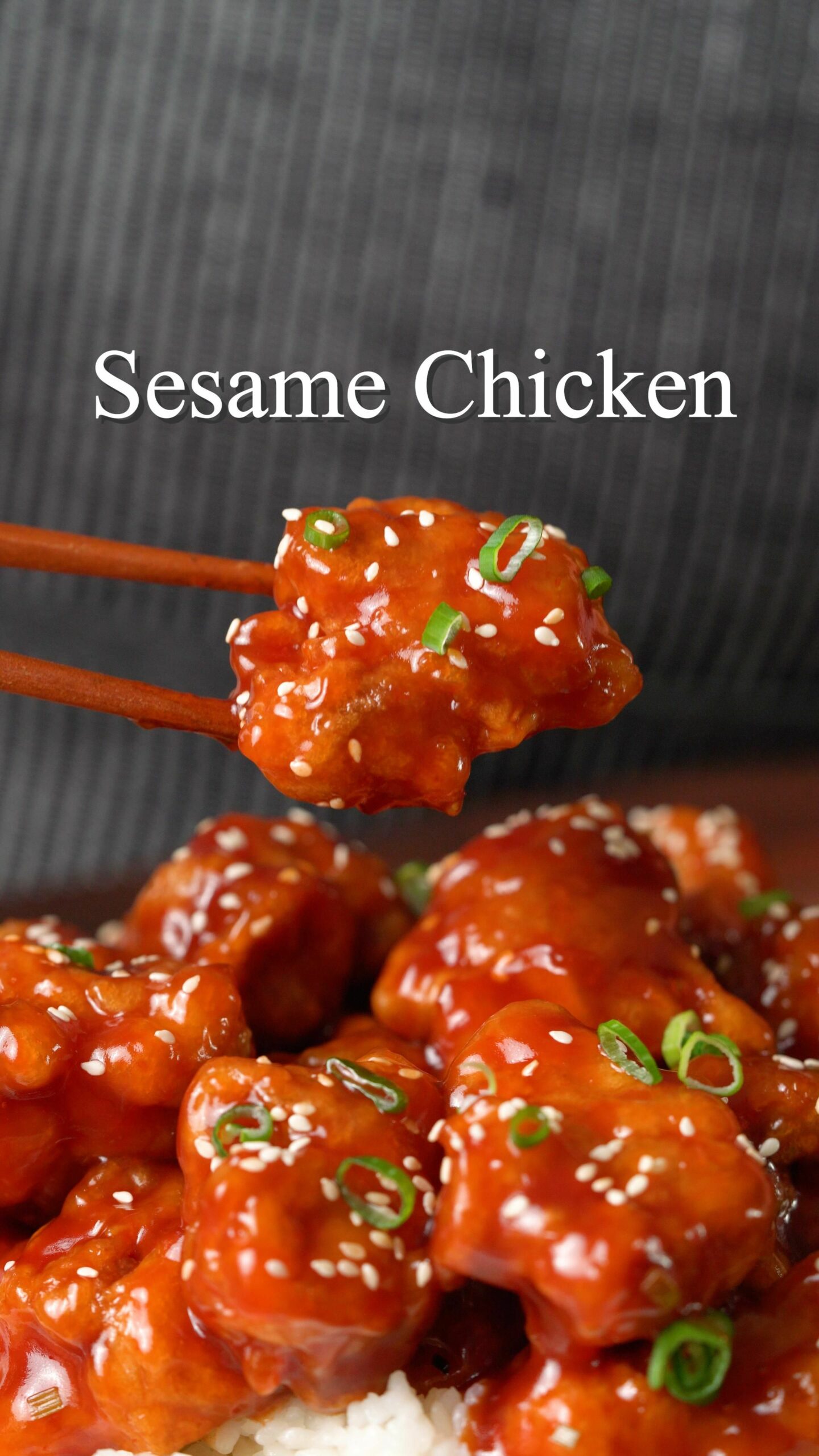
Chinese Takeout Sesame Chicken
This Chinese takeout sesame chicken delivers sticky, sweet-savory glazed crispy bites at home in 50 minutes for a fraction of delivery cost.
🧂 Ingredients
- 2 lb (900g) boneless skinless chicken thighs, cut into 1-inch pieces
- 1/2 cup (60g) cornstarch
- 1/4 cup (30g) all-purpose flour
- 2 large eggs, beaten
- 1/3 cup (80ml) low-sodium soy sauce
- 1/3 cup (80ml) honey
- 3 tablespoons rice vinegar
- 3 cloves garlic, finely minced
- 1 tablespoon toasted sesame oil
- 2 teaspoons cornstarch whisked with 3 tablespoons cold water (slurry)
- 2 tablespoons toasted sesame seeds, plus more for serving
- 6 cups (1.4L) neutral oil for frying, such as peanut or canola
📋 Instructions
- 1Prep the chicken — Pat the chicken pieces completely dry with paper towels and season lightly with salt. Set up three shallow dishes: cornstarch-flour mixture, beaten eggs, and a rack-lined tray for the coated pieces.
- 2Dredge in stages — Dip each piece in egg, let the excess drip off, then press firmly into the cornstarch-flour mix until fully coated. Rest the coated chicken on the rack for 10 minutes so the coating hydrates and adheres.
- 3Heat the frying oil — Pour 2 inches of neutral oil into a heavy pot and heat to 350F (175C) on a thermometer. Keep the heat steady; a cube of bread should sizzle and brown in about 60 seconds.
- 4First fry in batches — Fry the chicken in three batches for 4 to 5 minutes each, turning once, until pale golden and the internal temperature reads 165F (74C). Transfer to a rack, not paper towels, so the crust stays crisp.
- 5Flash fry for crunch — Raise the oil to 375F (190C) and fry all the chicken a second time for 60 to 90 seconds until deep golden brown with bubbling edges. Drain on the rack and sprinkle with a pinch of salt.
- 6Build the glaze — In a wide wok or skillet, heat 1 tablespoon neutral oil over medium heat and cook the garlic for 30 seconds until fragrant but not browned. Add soy sauce, honey, and rice vinegar and simmer for 2 minutes until bubbling at the edges.
- 7Thicken the sauce — Whisk the cornstarch slurry again, pour it in, and stir constantly for 30 to 60 seconds until the sauce coats the back of a spoon and looks glossy. Remove from heat and stir in the sesame oil.
- 8Toss and serve — Add the fried chicken to the warm glaze off the heat and fold gently for 20 seconds until every piece is coated. Pile onto rice, shower with toasted sesame seeds and sliced scallions, and serve immediately.