WordPress Blog
Leafy Rib Cowl Free Crochet Pattern: Knit-Look Texture
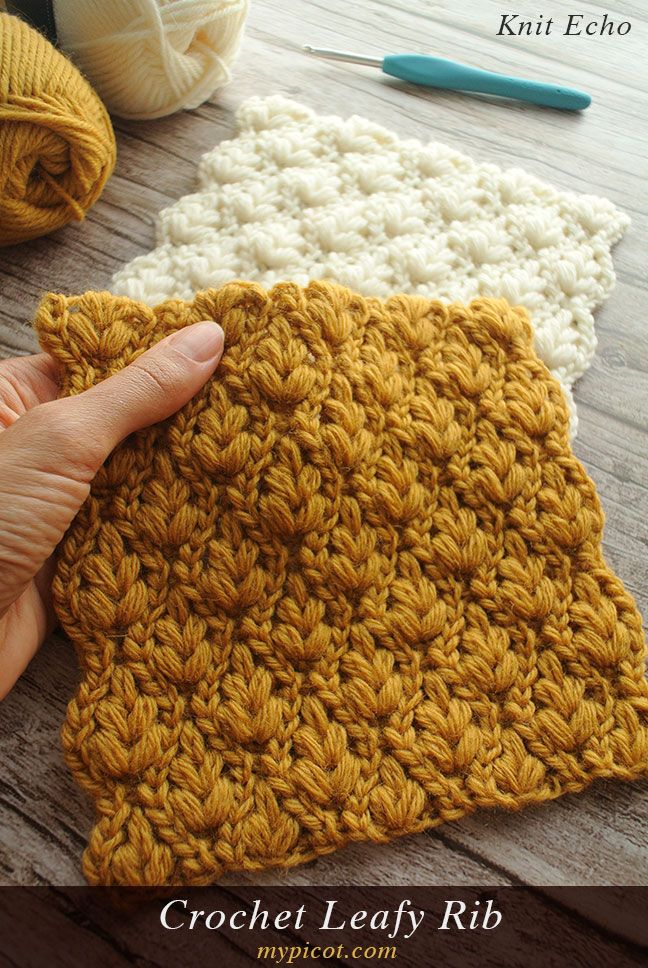
You will crochet a soft ribbed cowl with a small botanical leaf motif worked into the fabric, in joined rounds. It needs single crochet, half double crochet and front/back loop placement only. Plan about 4 hours for an average adult size.
Leafy Rib Cowl
Free crochet pattern · US terms
- Yarn
- 4 - Medium (worsted) — suggested
- Hook
- 5.0 mm (H-8) — verify with a swatch
- Gauge
- 14 sts x 12 rows = 4 in (10 cm) in front/back loop hdc rib, unblocked (calculated, not measured)
- Size
- approx. About 24 in (61 cm) around and 9 in (23 cm) tall, unstretched, based on the stated gauge
- Level
- Confident beginner
- Time
- about 4 h (estimate)
Written and count-checked on paper, not yet physically tested. Make the gauge swatch and the checkpoint below before you commit all your yarn.
The finished piece is a tube cowl that sits close to the neck and can be worn long or doubled. The body is worked in joined rounds in a knit-look rib made from alternating front loop and back loop half double crochet, with a small raised leaf shape added every few rounds.
Construction is simple: one tube, no shaping, no seaming. The rib runs vertically around the tube, so the cowl stretches gently sideways. It suits confident beginners who can find the front and back loops reliably.
Before You Start
Materials
Suggested materials. Any yarn of the same weight works if you match the gauge.
1 skein (about 200 yd / 183 m) worsted weight acrylic or acrylic-wool blend, 100 g
A smooth, light ply shows the rib texture best. A cotton-blend worsted also works but gives a firmer, less stretchy cowl.
5.0 mm (H-8) crochet hook
Matches worsted weight for a soft, drapey fabric. Go down to 4.5 mm (7) if your swatch comes out loose.
Stitch marker
Marks the first stitch of each joined round so the spiral does not drift. A scrap of contrasting yarn works.
Tapestry needle
For weaving in the two ends. A blunt tip slides between the rib stitches without splitting them.
Tape measure
For the gauge swatch and the checkpoint measurement.
Yarn needed (estimate): Estimated about 210 yd (192 m), roughly one 100 g skein
Gauge and Size
Gauge: 14 sts x 12 rows = 4 in (10 cm) in front/back loop hdc rib, unblocked. This gauge is calculated from the yarn and hook above, not measured on a finished sample. Make a 4 in (10 cm) swatch first; change the hook size, not your tension, until it matches.
Finished size (approximate): About 24 in (61 cm) around and 9 in (23 cm) tall, unstretched, based on the stated gauge. Your size depends on your gauge.
Abbreviations (US terms)
| Abbr. | Meaning |
|---|---|
| ch | chain |
| sl st | slip stitch |
| sc | single crochet |
| hdc | half double crochet |
| st | stitch |
| sts | stitches |
| sp | space |
| FLO | front loop only |
| BLO | back loop only |
| rep | repeat |
| FO | fasten off |
Special Stitches
Front loop half double crochet (FLO hdc)
Yarn over, insert the hook under the front loop only of the next stitch, yarn over and pull up a loop, yarn over and pull through all three loops on the hook.
Back loop half double crochet (BLO hdc)
Same as hdc but insert the hook under the back loop only of the next stitch. Working one round in FLO and the next in BLO creates the horizontal ridge that reads as knit rib.
Leaf cluster (leaf)
In the same stitch work: sc, ch 2, 2 dc, ch 2, sc. This makes a small pointed leaf shape sitting on the surface of the rib. Work it into the stitch below the working round so it sits flat against the fabric.
How This Pattern Is Written
- All instructions use US crochet terms.
- The cowl is worked in joined rounds: each round ends with a sl st into the first stitch, then ch 1 to begin the next round. The ch 1 does not count as a stitch and is never worked into.
- Rounds alternate FLO hdc and BLO hdc to build the rib. Always work into the loop named, not under both loops.
- The right side faces you throughout; do not turn at the end of rounds.
- Leaf clusters are placed in the BLO rounds only, every 4th round, so they sit on the raised ridge. Each leaf cluster is worked into one stitch and counts as one stitch for that round.
- Stitch counts are given at the end of every round; check them before moving on.
The Pattern
Cowl Body
Finishing and Assembly
Sizes and Variations
Long double-wrap cowl
ch 120 instead of 72 and work Rounds 2-22 as written; place leaf clusters at sts 20, 60 and 100. Yardage roughly doubles.
Child size
ch 56 and keep the same round structure; place leaf clusters at sts 9, 28 and 47.
Headband version
ch 64, work Rounds 2-10 only, and finish with the Round 23-24 edging.
Two-color rib
change color every 4 rounds at the join to make the ridges stand out.
Troubleshooting
| What you see | Likely cause | Fix |
|---|---|---|
| The rib looks flat with no ridges | The hook went under both loops instead of the named single loop | Undo to the start of the round and check that only the front or only the back loop is picked up; the unused loop should stay visible as a line. |
| The stitch count drops by one or two each round | The ch 1 at the start is being worked into as a stitch, or the join is skipped | The ch 1 never counts. Count the 72 sts before joining, and put the join sl st into the first real stitch. |
| The cowl twists into a figure eight | The starting chain was twisted when it was joined into a ring | This cannot be fixed after Round 1. Undo the ring, lay the chain flat with all bumps facing the same way, then join. |
| Leaf clusters stick out or pucker | The cluster was worked into the current round instead of the stitch below, or into too small a space | Work the cluster into the back loop of a single stitch in the current round and keep the ch 2 loops loose enough to lie flat. |
| The finished cowl is too loose around the neck | Gauge was larger than stated | Work a new swatch with a 4.5 mm (7) hook and restart with 64 sts, placing leaves at sts 11, 32 and 53. |
Care
Hand wash in cool water with a mild soap, squeeze gently without wringing, and dry flat in a ring shape. Acrylic blends can go on a cool delicate machine cycle in a mesh bag, but air dry to keep the rib from stretching.
Questions Makers Ask
Can I make this cowl without joining rounds?
Yes, but the rib will spiral slightly. Work in continuous rounds and move the marker each round; the leaf placement stays the same, and the stitch count stays at 72.
How much yarn does the cowl use?
About 210 yd (192 m) is estimated for the adult size from the stated gauge, which is roughly one 100 g worsted skein. Buy two skeins for the long double-wrap version.
Is the leaf cluster hard for a beginner?
It uses only sc, ch and dc, so it is manageable once your rib rounds are even. Practice one cluster on your swatch before starting the cowl.
Next: Try a matching ribbed headband in the same stitch pattern to practice the leaf cluster on a smaller piece.