WordPress Blog
Lemon Chicken Recipe with Creamy Lemon Butter Sauce
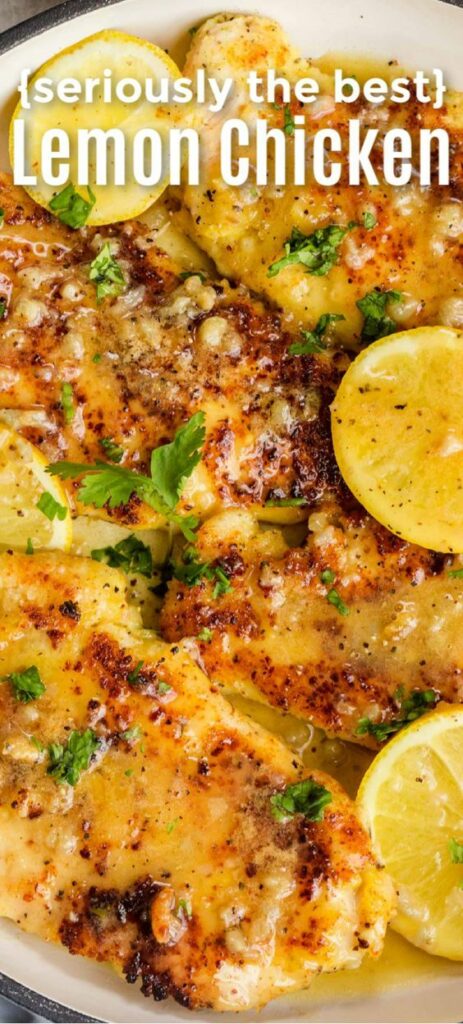
Lemon chicken is the weeknight dinner that tastes like a special occasion: thin chicken cutlets seared to a deep golden crust, then bathed in a glossy lemon butter sauce that clings to every bite. The whole thing comes together in one skillet, so the browned bits left behind become the flavor base for the sauce instead of another pan to wash.
The trick is balance. Too much lemon and the sauce turns sharp; too little and it disappears under the butter. This version uses lemon zest for perfume, fresh juice for brightness, and a splash of chicken broth plus a knob of cold butter at the end to keep the sauce creamy rather than greasy. A pinch of sugar rounds out the acidity if your lemons are especially tart.
Serve it over rice, mashed potatoes, or crusty bread to catch every drop of sauce. It is fast enough for a Tuesday and elegant enough for guests, which is exactly why it has become a permanent fixture in our rotation.
Why You'll Love This Recipe
About the Ingredients
6 boneless, skinless chicken breasts (about 2 lb / 900g), sliced horizontally into thin cutlets
Thin cutlets cook evenly and fast. If your store sells pre-sliced thin cutlets, buy 12 of them instead, or pound thick breasts to 1/2 inch (1.3 cm) between plastic wrap.
1 1/2 tsp kosher salt, divided
Kosher salt is less dense than table salt, so if you swap in fine table salt, use about 1 tsp total. Season the chicken 15 minutes ahead for juicier meat.
1 tsp freshly ground black pepper
Fresh-cracked pepper blooms in the hot pan. Pre-ground pepper works in a pinch but tastes flatter, so add an extra pinch at the end.
1/2 cup (65g) all-purpose flour
Flour creates the golden crust that thickens the sauce slightly. For gluten-free, use 1/2 cup (60g) cornstarch or a 1:1 gluten-free flour blend.
3 tbsp olive oil, divided
Olive oil handles the sear without burning. Avocado oil is a great substitute if you prefer a higher smoke point.
3 tbsp unsalted butter, divided
Unsalted lets you control the seasoning; if using salted butter, cut the added salt in the sauce by half. Keep the final tablespoon ice-cold for the emulsion.
3 cloves garlic, finely minced
Fresh garlic is essential here since it cooks briefly. Jarred minced garlic is a fine substitute, but use 1 tbsp and add it off the heat to avoid bitterness.
1 cup (240ml) low-sodium chicken broth
Low-sodium broth keeps the sauce from going salty after the butter goes in. Vegetable broth works for a lighter, slightly sweeter sauce.
1/3 cup (80ml) fresh lemon juice (from about 2 large lemons)
Use fresh juice, not bottled, for a cleaner flavor. Roll the lemons on the counter before juicing to get more out of them, and save the zest first.
1 tbsp lemon zest (from 1 lemon)
Zest before juicing, since you need the whole lemon intact. A microplane gives the finest, most fragrant zest; avoid the white pith, which is bitter.
1 tsp granulated sugar
Sugar tames sharp lemon acidity. Honey works as a substitute, but reduce it to 1/2 tsp so the sauce does not turn sticky-sweet.
2 tbsp chopped fresh parsley, for garnish
Parsley adds color and freshness. Fresh dill or tarragon are lovely swaps that pair especially well with lemon.
Tips & Tricks
Do Not Crowd the Pan
Searing in batches over medium-high heat keeps the oil hot so the flour crust browns instead of steaming. Overcrowding is the number one reason lemon chicken turns pale and soggy.
Scrape the Fond
Those browned bits stuck to the skillet are concentrated flavor. Add the broth and scrape with a wooden spoon while it simmers so the sauce tastes rich rather than flat.
Finish with Cold Butter Off the Heat
Whisk in the last tablespoon of ice-cold butter with the pan off the burner so the sauce emulsifies into a silky glaze instead of splitting into oil.
Taste the Sauce Before Serving
Lemon intensity varies wildly between fruit. Adjust with a pinch of sugar for tartness or a squeeze of juice if the butter mutes the brightness.
Pro Tips
Step-by-Step Instructions
1. Prep and Season the Chicken
Pat the cutlets dry, season both sides with 1 tsp salt and the pepper, and let them sit 10 minutes while you zest and juice the lemons. Dredge each cutlet in flour, shaking off the excess so the coating is thin and even.
2. Sear the First Batch
Heat 2 tbsp olive oil in a large skillet over medium-high heat (375F / 190C) until it shimmers. Add half the cutlets and cook 3 to 4 minutes per side until deep golden brown and the internal temperature reads 165F (74C). Transfer to a plate and repeat with the remaining oil and chicken.
3. Bloom the Garlic
Lower the heat to medium (300F / 150C), add 1 tbsp butter and the garlic, and cook 30 seconds until fragrant but not browned. Burnt garlic turns the whole sauce bitter, so pull the pan off the heat if it starts to darken.
4. Build the Sauce
Pour in the chicken broth and lemon juice, scraping up the browned bits with a wooden spoon. Simmer 4 to 5 minutes until the liquid reduces by about a third and the edges bubble steadily.
5. Emulsify with Butter
Reduce the heat to low (200F / 95C), whisk in the remaining 2 tbsp butter one piece at a time, then stir in the zest and sugar. The sauce should look glossy and coat the back of a spoon; if it looks broken, whisk in 1 tsp cold broth.
6. Return and Glaze
Nestle the chicken back into the skillet and spoon sauce over the top. Simmer 2 minutes until the chicken is warmed through and the sauce clings to the crust.
7. Garnish and Serve
Taste and adjust with salt, pepper, or a squeeze of lemon. Scatter parsley over the top and serve immediately with rice, potatoes, or bread for the sauce.
Delicious Variations
Creamy Lemon Chicken
Stir 1/4 cup (60ml) heavy cream into the sauce after the butter for a richer, velvety version that is excellent over pasta.
Crispy Panko Lemon Chicken
Dredge in flour, egg, and panko before searing for extra crunch, then serve the sauce on the side so the coating stays crisp.
Lemon Chicken Piccata
Add 2 tbsp capers and 2 tbsp chopped parsley to the sauce and swap the broth for dry white wine for a classic Italian twist.
How to Store Lemon Chicken Recipe (with Lemon Butter Sauce)
Refrigerator
Store in an airtight container for up to 3 days. Keep the chicken submerged in sauce to prevent drying, and reheat gently since high heat toughens the cutlets.
Freezer
Freeze the chicken and sauce together in a freezer-safe container for up to 2 months. The flour coating softens slightly, so this is best used for rice bowls rather than serving whole.
Reheating
Reheat in a covered skillet over low heat (200F / 95C) with 1 tbsp broth for 5 to 6 minutes, or microwave in 30-second bursts. Avoid boiling, which splits the butter sauce.
Frequently Asked Questions
Q: How do I keep lemon chicken from tasting bitter?
Avoid the white pith when zesting and never let the garlic brown. Zest only the yellow outer layer of the peel and add garlic to a pan that is no hotter than medium, stirring constantly for just 30 seconds.
Q: Can I make lemon chicken with chicken thighs instead of breasts?
Yes, boneless skinless thighs work well and stay juicy even if slightly overcooked. Sear them 5 to 6 minutes per side until they reach 175F (79C), and add 2 extra minutes to the sauce simmer since thighs release more juices.
Q: Why did my lemon butter sauce turn greasy?
The butter was added over heat that was too high or too fast. Whisk cold butter in one tablespoon at a time with the pan off the burner or on low heat, and the sauce will emulsify into a smooth glaze.
Q: How do I know when the chicken is fully cooked?
The safest test is an instant-read thermometer reading 165F (74C) in the thickest part of the cutlet. Visually, the juices should run clear and the meat should feel firm but still spring back when pressed.
Q: What can I serve with lemon chicken?
Rice, mashed potatoes, or crusty bread are the best choices because they soak up the lemon butter sauce. For lighter sides, try steamed green beans, roasted asparagus, or a simple arugula salad.
Give this lemon chicken recipe a try tonight and let the pan sauce do the heavy lifting. If you make it, snap a photo of that glossy golden skillet and leave a comment telling me whether you went classic or creamy.
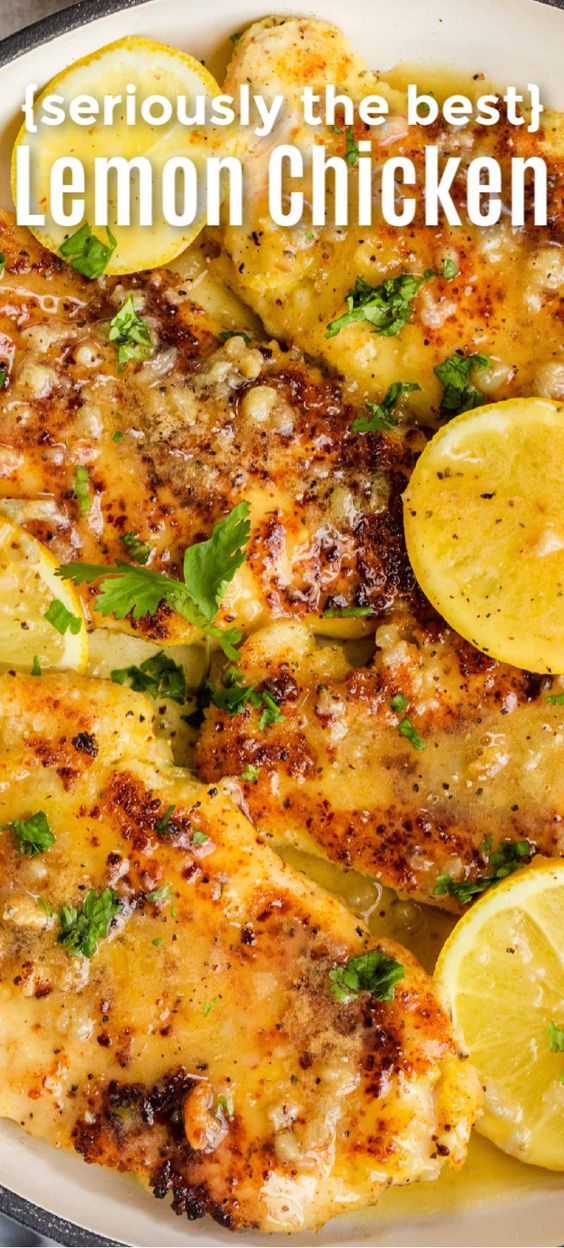
Lemon Chicken Recipe (with Lemon Butter Sauce)
This lemon chicken recipe pan-sears golden cutlets and finishes them in a silky lemon butter sauce for a bright, restaurant-style dinner in 50 minutes.
🧂 Ingredients
- 6 boneless, skinless chicken breasts (about 2 lb / 900g), sliced horizontally into thin cutlets
- 1 1/2 tsp kosher salt, divided
- 1 tsp freshly ground black pepper
- 1/2 cup (65g) all-purpose flour
- 3 tbsp olive oil, divided
- 3 tbsp unsalted butter, divided
- 3 cloves garlic, finely minced
- 1 cup (240ml) low-sodium chicken broth
- 1/3 cup (80ml) fresh lemon juice (from about 2 large lemons)
- 1 tbsp lemon zest (from 1 lemon)
- 1 tsp granulated sugar
- 2 tbsp chopped fresh parsley, for garnish
📋 Instructions
- 1Prep and Season the Chicken — Pat the cutlets dry, season both sides with 1 tsp salt and the pepper, and let them sit 10 minutes while you zest and juice the lemons. Dredge each cutlet in flour, shaking off the excess so the coating is thin and even.
- 2Sear the First Batch — Heat 2 tbsp olive oil in a large skillet over medium-high heat (375F / 190C) until it shimmers. Add half the cutlets and cook 3 to 4 minutes per side until deep golden brown and the internal temperature reads 165F (74C). Transfer to a plate and repeat with the remaining oil and chicken.
- 3Bloom the Garlic — Lower the heat to medium (300F / 150C), add 1 tbsp butter and the garlic, and cook 30 seconds until fragrant but not browned. Burnt garlic turns the whole sauce bitter, so pull the pan off the heat if it starts to darken.
- 4Build the Sauce — Pour in the chicken broth and lemon juice, scraping up the browned bits with a wooden spoon. Simmer 4 to 5 minutes until the liquid reduces by about a third and the edges bubble steadily.
- 5Emulsify with Butter — Reduce the heat to low (200F / 95C), whisk in the remaining 2 tbsp butter one piece at a time, then stir in the zest and sugar. The sauce should look glossy and coat the back of a spoon; if it looks broken, whisk in 1 tsp cold broth.
- 6Return and Glaze — Nestle the chicken back into the skillet and spoon sauce over the top. Simmer 2 minutes until the chicken is warmed through and the sauce clings to the crust.
- 7Garnish and Serve — Taste and adjust with salt, pepper, or a squeeze of lemon. Scatter parsley over the top and serve immediately with rice, potatoes, or bread for the sauce.