This article contains affiliate links — if you buy through them, we may earn a small commission at no extra cost to you.
Roaches are the uninvited guests that just won’t leave, and most commercial sprays come with a cloud of chemicals you don’t want around your family. But you can reclaim your kitchen, pantry, and peace of mind using everyday items you probably already have. From the viral two-ingredient trick that actually works to lesser-known botanical and DIY solutions, these natural roach killers are effective, budget-friendly, and safe for the little ones and furry friends who share your home.
Table of Contents(Click to Toggle)
- Why Natural Roach Control Matters
- The 16 Best Natural Roach Killers
- 1. Baking Soda and Sugar
- 2. Diatomaceous Earth
- 3. Borax
- 4. Boric Acid and Flour
- 5. Catnip
- 6. Bay Leaves
- 7. Cucumber Peels
- 8. Essential Oils Spray
- 9. Coffee Grounds
- 10. Soap and Water Spray
- 11. Neem Oil
- 12. Glass Cleaner and Dish Soap
- 13. Caulk and Steel Wool
- 14. Sticky Traps
- 15. Ultrasonic Repellents
- 16. Professional Natural Extermination
- Bonus Natural Roach Deterrents
- Your Natural Roach-Free Future
Why Natural Roach Control Matters for Your Home
When roaches invade, the instinct is to reach for the strongest chemical spray, but those products often come with risks. Many commercial insecticides contain compounds that can trigger asthma, skin irritation, and other health issues, especially in children and pets. The Environmental Protection Agency notes that even approved pesticides can pose risks if not used carefully. Natural methods, on the other hand, rely on everyday ingredients like baking soda, sugar, and essential oils, which are generally recognized as safe. They work by exploiting roaches’ biology—their love for sugar, their need for water, their crawling habits—without saturating your living space with toxins. Plus, these DIY solutions are often cheaper and just as effective when applied strategically. By choosing natural options, you’re not only protecting your family but also reducing your environmental footprint.
The 16 Best Natural Roach Killers That Really Work
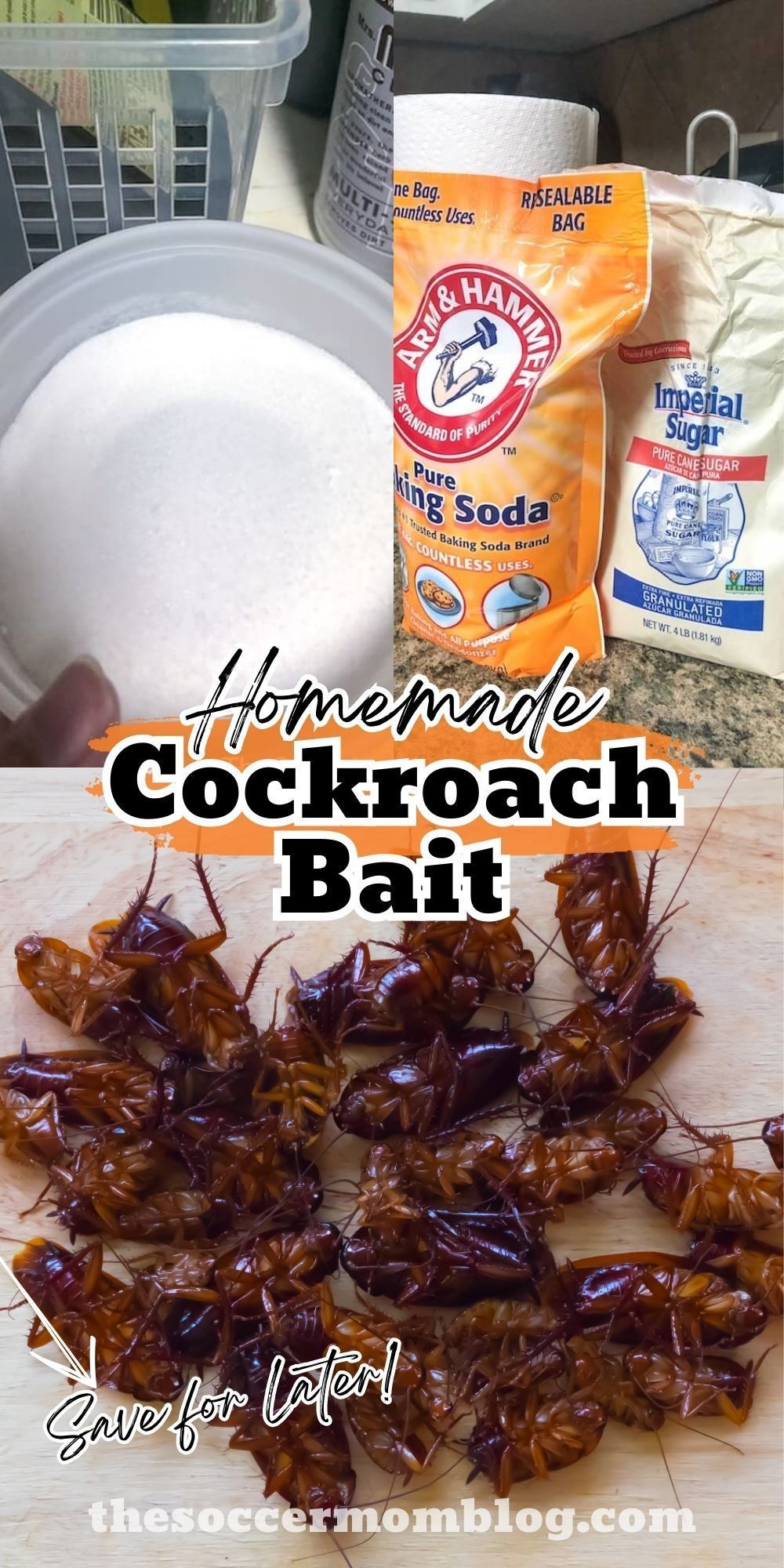
1. Baking Soda and Sugar : The Classic Two-Ingredient Trap
What it is: A simple mixture of equal parts baking soda and powdered sugar.
Category: DIY bait
Why it stands out: The sugar attracts roaches, while the baking soda reacts with their stomach acid, producing gas that kills them. It’s cheap, non-toxic to humans and pets, and easy to make. Place small lids of the mixture in cabinets, under sinks, and along baseboards. Replace every few days until activity stops.
Best for: Kitchens and pantries where roaches hide, and for households with kids and pets.
2. Diatomaceous Earth : The Abrasive Powder That Cuts and Dehydrates
What it is: A fine powder made from fossilized algae, available in food-grade form.
Category: Desiccant powder
Why it stands out: When roaches crawl through it, the sharp microscopic edges cut their exoskeleton, causing them to dehydrate and die. It’s effective for up to a week after application and works on other pests like ants and bed bugs. Use a thin layer in cracks, crevices, and behind appliances. Be sure to buy food-grade DE to ensure safety around food and pets.
Best for: Long-term prevention in hard-to-reach areas.
3. Borax : The Mineral Dust That Disrupts Digestion
What it is: A naturally occurring mineral powder (sodium tetraborate) often used for laundry.
Category: Powder bait
Why it stands out: Borax is toxic to roaches when ingested, but safe for humans and pets in small amounts. Mix it with sugar to entice roaches, or dust it along their travel paths. It damages their digestive system and can be transferred back to the nest. Avoid using where food is prepared unless covered, and keep away from pets that might ingest large amounts.
Best for: Areas with high roach traffic, like under sinks and behind appliances.
4. Boric Acid and Flour : A More Potent Homemade Bait
What it is: A mixture of boric acid, flour, and sugar (typically 1:1:1).
Category: DIY poison bait
Why it stands out: Boric acid is a stronger insecticide than borax and works on contact and ingestion. The flour and sugar lure roaches, and the boric acid destroys their nervous system. It’s effective against German and American cockroaches. Use with caution: keep away from pets and children, and apply in small amounts in hidden spots.
Best for: Severe infestations where other natural methods haven’t worked.
5. Catnip : The Feline Herb That Repels Roaches
What it is: The dried leaves and flowers of the catnip plant, containing nepetalactone.
Category: Repellent herb
Why it stands out: Studies by Iowa State University found that catnip is more effective at repelling roaches than DEET. It’s completely safe for pets and kids, though it may attract cats. Place sachets of dried catnip in cabinets, drawers, and along baseboards. Replace every few weeks to maintain potency.
Best for: Non-lethal repellent, especially in homes with cats.
6. Bay Leaves : The Aromatic Leaf That Confuses Their Senses
What it is: Dried bay leaves from the laurel tree, commonly used in cooking.
Category: Repellent
Why it stands out: Roaches dislike the strong scent of bay leaves. While not a killer, they can be placed in pantry shelves, drawers, and corners to deter roaches from entering. Crush the leaves slightly to release more oils. Replace every month. This is a passive, completely non-toxic option.
Best for: Preventative measures in food storage areas.
7. Cucumber Peels : The Kitchen Scrap That Keeps Roaches Away
What it is: Fresh peels from cucumbers.
Category: Repellent
Why it stands out: Roaches are repelled by the smell of cucumber. Place peels in areas where you’ve seen roaches, such as under the sink or near garbage cans. Replace daily to prevent mold. While not a long-term solution, it’s a free and safe deterrent.
Best for: Quick, temporary relief in specific problem spots.
8. Essential Oils Spray : A Scent That Spells Danger
What it is: A homemade spray using peppermint, eucalyptus, or tea tree oil diluted in water.
Category: Liquid repellent
Why it stands out: These essential oils are known to repel roaches due to their strong aroma. Mix 10-15 drops of oil with water in a spray bottle and mist around entry points, baseboards, and crevices. Reapply every few days. Safe for kids and pets when used in small amounts, though some pets may be sensitive to certain oils.
Best for: Creating a fragrant barrier that roaches avoid.
9. Coffee Grounds : The Morning Brew That Doubles as a Trap
What it is: Used or fresh coffee grounds.
Category: Bait and repellent
Why it stands out: Roaches are attracted to the smell of coffee grounds, making them an effective bait. Place used grounds in a shallow dish with a bit of water and a few drops of dish soap; roaches will drown. Alternatively, dry grounds can be sprinkled in areas to repel, as the strong scent disrupts their tracking.
Best for: An eco-friendly way to reuse coffee waste.
10. Soap and Water Spray : The Instant Knockout
What it is: A simple solution of dish soap and water in a spray bottle.
Category: Contact spray
Why it stands out: When sprayed directly on a roach, the soap breaks the surface tension of their exoskeleton, causing them to suffocate. It’s non-toxic and works instantly. Mix a few drops of dish soap in a spray bottle filled with water. Spray directly on roaches you encounter. Great for killing roaches on sight without chemicals.
Best for: Immediate action on visible roaches.
11. Neem Oil : The Botanical Insect Growth Regulator
What it is: A natural oil extracted from neem tree seeds.
Category: Natural insecticide
Why it stands out: Neem oil disrupts the life cycle of roaches, preventing nymphs from maturing and reducing reproduction. Mix with water and a few drops of dish soap to emulsify, then spray in infested areas. It also repels other pests. Safe for pets and children once dried, but avoid spraying directly on food or surfaces where food is prepared.
Best for: Long-term population control.
12. Glass Cleaner and Dish Soap : The Surprising Duo That Kills on Contact
What it is: A mixture of glass cleaner (like Windex) and dish soap.
Category: Contact spray
Why it stands out: This combination is lethal when sprayed directly on roaches. The glass cleaner contains ammonia, which is toxic to them, and the soap suffocates them. It’s a quick, effective way to kill individual roaches without leaving harmful residues. Use sparingly and avoid on porous surfaces.
Best for: A fast, easy homemade spray for visible roaches.
13. Caulk and Steel Wool : The Barrier Method
What it is: Using caulk and steel wool to seal entry points.
Category: Prevention
Why it stands out: Roaches can squeeze through tiny cracks, so sealing them is a non-toxic way to keep them out. Fill gaps around pipes, baseboards, and windows with steel wool, then cover with caulk. This prevents roaches from entering and also blocks other pests. It’s a permanent solution that requires no chemicals.
Best for: Preventing future infestations.
14. Sticky Traps : The Glue That Catches Them All
What it is: Cardboard or plastic traps coated with a strong adhesive.
Category: Trap
Why it stands out: Sticky traps are non-toxic and effective for monitoring and catching roaches. Place them along walls, under sinks, and behind appliances. Some traps include a food lure. They are safe for pets and kids, though pets could get stuck, so place them in hidden areas. Check and replace traps regularly.
Best for: Monitoring roach activity and reducing populations in low-traffic areas.
15. Ultrasonic Repellents : The Plug-In Sound Deterrent
What it is: Devices that emit high-frequency sound waves to repel pests.
Category: Electronic repellent
Why it stands out: These plug-in devices are marketed as a chemical-free way to drive away roaches and other pests. While effectiveness is debated, some users report success. They are safe for kids and pets (though pets may hear the sound). Place one per room, and combine with other methods for best results.
Best for: A low-effort, plug-and-play solution for ongoing prevention.
16. Professional Natural Extermination : When to Call in the Pros
What it is: Hiring a pest control service that uses eco-friendly, low-toxicity methods.
Category: Professional service
Why it stands out: Sometimes a DIY approach isn’t enough. Many companies now offer green pest control using botanical insecticides and exclusion techniques. They have access to professional-grade products that are safe for families and pets. Look for services certified by organizations like GreenPro. This ensures thorough treatment and prevents future infestations.
Best for: Large or stubborn infestations that require expert assessment.
Bonus Natural Roach Deterrents to Try
Bonus: Vinegar Solution
A 50/50 mix of white vinegar and water can be used to clean surfaces and wipe down areas where roaches travel, removing scent trails and deterring them. It’s safe and leaves no toxic residue.
Bonus: Lemon Peels
Roaches dislike citrus. Place fresh lemon peels in cabinets and drawers to repel them. Replace weekly to keep the scent strong.
Bonus: Cedarwood Chips
Cedarwood contains natural oils that repel roaches. Scatter chips in closets, under sinks, and in pantry corners. They also add a pleasant woodsy scent.
Bonus: Mint Sachets
Mint leaves, whether fresh or dried, can be placed in small cloth bags and hung or tucked in areas prone to roaches. The strong menthol scent is a natural deterrent.
Your Natural Roach-Free Future Starts Today
You don’t need harsh chemicals to win the war against roaches. By using simple, natural ingredients like baking soda, diatomaceous earth, and essential oils, you can effectively eliminate roaches while keeping your home safe for everyone—including the four-legged members of your family. The key is consistency: use a combination of baits, repellents, and sealing methods to tackle both the existing problem and prevent future invasions. Try the baking soda and sugar trick first—it’s a proven favorite—and then explore the other options to see what works best in your home. With a little patience and these natural strategies, you can enjoy a roach-free living space without the worry of toxic exposure.
Have you tried any of these natural roach killers? What worked for you? Share your own tips and successes in the comments below—your experience could help a fellow reader win their battle against roaches!