
Whole roasted chicken has a reputation for being fussy, but it is really just salt, heat, and patience. This version starts with a 24-hour dry brine of kosher salt and baking powder that dries the skin so it crisps like a potato chip while the meat underneath stays impossibly juicy.
We roast the bird on a bed of onion and lemon at high heat, then let it rest so the juices redistribute. The result is a centerpiece that looks like a holiday project but takes about as much effort as a weeknight sheet-pan dinner.
Use a 4 to 4.5 pound bird and an instant-read thermometer. That combination, plus the two-zone heat in this recipe, removes all the guesswork from roasted chicken.
Why You'll Love This Recipe
About the Ingredients
1 whole chicken, 4 to 4.5 lb (1.8 to 2 kg), giblets removed
Look for an air-chilled bird for the crispiest skin; a frozen one works if fully thawed in the fridge for 24 hours. Skip any bird labeled 'basted' or 'self-basting' since the injected solution steams the skin.
1 tbsp kosher salt (15 g)
Diamond Crystal kosher salt is the standard here; if using table salt, cut the amount to 2 teaspoons. Fine sea salt works at the same weight.
1 tsp baking powder (4 g), aluminum-free
This is the secret to shatter-crisp skin. Do not substitute baking soda, which tastes soapy; if you have none, skip it and expect a slightly softer skin.
1 tsp freshly ground black pepper (2 g)
Fresh-cracked is worth it here. A pre-ground pepper blend or a pinch of smoked paprika can stand in for a different flavor profile.
1 large onion, halved and sliced into 1/2-inch rings (about 200 g)
Yellow or white onion both work; leeks or fennel bulbs are elegant swaps that caramelize the same way.
1 lemon, quartered (about 90 g)
Use a lemon you plan to squeeze, since the rind goes into the cavity. An orange or a halved head of garlic gives a sweeter, deeper aroma.
4 garlic cloves, smashed (about 12 g)
Smashing releases more allicin than chopping. Jarred garlic is fine in a pinch, but use 1 teaspoon only.
2 tbsp olive oil (30 ml)
Regular olive oil handles the heat better than extra-virgin. Melted butter or avocado oil both brown beautifully.
1 tbsp unsalted butter, melted (14 g)
Basting with butter deepens the color; ghee or a drizzle of honey butter works if you want a glossier finish.
1/2 cup low-sodium chicken broth (120 ml), for the pan
Water works if you have no broth, but broth keeps the drippings from scorching. White wine deglazed into the pan makes a tangier sauce.
Tips & Tricks
Do not truss the legs tightly
Loosely tying or leaving them untrussed lets hot air circulate so the thighs reach 175F (79C) without overcooking the breast.
Rest before carving, no exceptions
A 15 minute rest lets juices redistribute; cutting early dumps them onto the board and leaves dry meat.
Check temperature in two places
Probe the thickest part of the thigh (aim for 175F/79C) and the breast (aim for 160F/71C) since they finish at different times.
- Dry the bird thoroughly and leave it uncovered in the fridge overnight: Surface moisture is the number one enemy of crispy skin, and a 12 to 24 hour dry brine does more than any basting ever will.
Pro Tips
Step-by-Step Instructions
1. Dry-Brine the Chicken
Pat the chicken completely dry with paper towels, inside and out. Rub the kosher salt, baking powder, and black pepper all over the skin and into the cavity, then set it breast-side up on a wire rack over a plate and refrigerate uncovered for at least 12 hours and up to 24.
2. Preheat and Build the Bed
Heat the oven to 450F (230C) with a rack in the lower-middle position. Scatter the sliced onion in a roasting pan or 12-inch cast-iron skillet and set the chicken breast-side up on top. Stuff the lemon quarters and smashed garlic into the cavity.
3. Oil and Butter the Skin
Brush the olive oil all over the bird, then drizzle the melted butter over the breast. Pour the chicken broth into the pan around the onion, keeping it off the skin so the crust stays dry.
4. Roast at High Heat
Roast at 450F (230C) for 20 minutes until the skin is pale gold and beginning to crisp. This blast of heat renders the fat under the skin and starts the Maillard browning.
5. Lower and Finish
Reduce the oven to 375F (190C) and continue roasting 30 to 40 minutes, rotating the pan halfway, until the skin is deep golden brown and an instant-read thermometer in the thickest thigh reads 175F (79C) and the breast reads 160F (71C).
6. Rest the Bird
Transfer the chicken to a cutting board and tent loosely with foil. Rest 15 minutes; the internal temperature will climb about 5 degrees and the juices will settle, leaving the meat juicy when carved.
7. Make the Pan Sauce
Set the roasting pan over medium heat, spoon off all but 1 tablespoon of fat, and scrape up the browned bits with a wooden spoon. Simmer the onion and drippings 2 minutes until the liquid bubbles and thickens slightly, then strain if you like.
8. Carve and Serve
Carve the chicken by removing the legs, then the wings, then slicing the breast against the grain. Spoon the warm pan sauce over the slices and serve immediately while the skin is still crisp.
Delicious Variations
Lemon-Herb Roast
Add 2 tablespoons chopped rosemary and thyme to the dry brine and tuck extra lemon slices under the skin for an herbal, aromatic bird.
Smoky Paprika Rub
Swap the black pepper for 2 teaspoons smoked paprika and 1/2 teaspoon cayenne for a deep red, barbecue-adjacent crust.
Garlic-Honey Glaze
Brush the skin with 2 tablespoons honey mixed with 1 minced garlic clove during the last 10 minutes of roasting for a sticky, lacquered finish.
How to Store Roasted Chicken Perfection: Explore Our Delectable Recipes!
Refrigerator
Store carved chicken in an airtight container in the refrigerator for up to 4 days; keep the pan sauce separately and reheat gently so the meat does not dry out.
Freezer
Shred or portion the meat (discard the skin for best texture) and freeze in a zip-top bag with the pan sauce for up to 3 months; press out all the air first.
Reheating
Reheat covered at 325F (165C) for 12 to 15 minutes, or in a skillet with a splash of broth over medium-low heat until it reaches 165F (74C); avoid the microwave for skin-on pieces.
Frequently Asked Questions
Q: Should I cover the chicken with foil while roasting?
No, leave it uncovered for the entire roast so the skin can crisp and brown. Only tent the breast loosely with foil if it is browning faster than the thighs are cooking, usually in the last 15 minutes.
Q: Why is my roasted chicken skin not crispy?
Almost always because the skin was damp or the bird was crowded by steam. Pat it bone-dry, dry-brine uncovered overnight, and keep liquid in the pan below the bird rather than poured over it.
Q: Can I make this roasted chicken without a wire rack?
Yes, set the chicken directly on the onion bed in the roasting pan, which lifts it slightly off the bottom. A bed of carrots and celery works the same way and keeps the skin from stewing in the drippings.
Q: What internal temperature should roasted chicken be?
The USDA safe minimum is 165F (74C) measured in the thickest part of the thigh, but thighs are more tender at 175F (79C). Pull the bird when the breast reads 160F (71C) and let carryover cooking finish the job.
Roast this chicken once and you will never buy a rotisserie bird again. Save the recipe, tag your crispy-skin results, and let us know which variation you tried first.
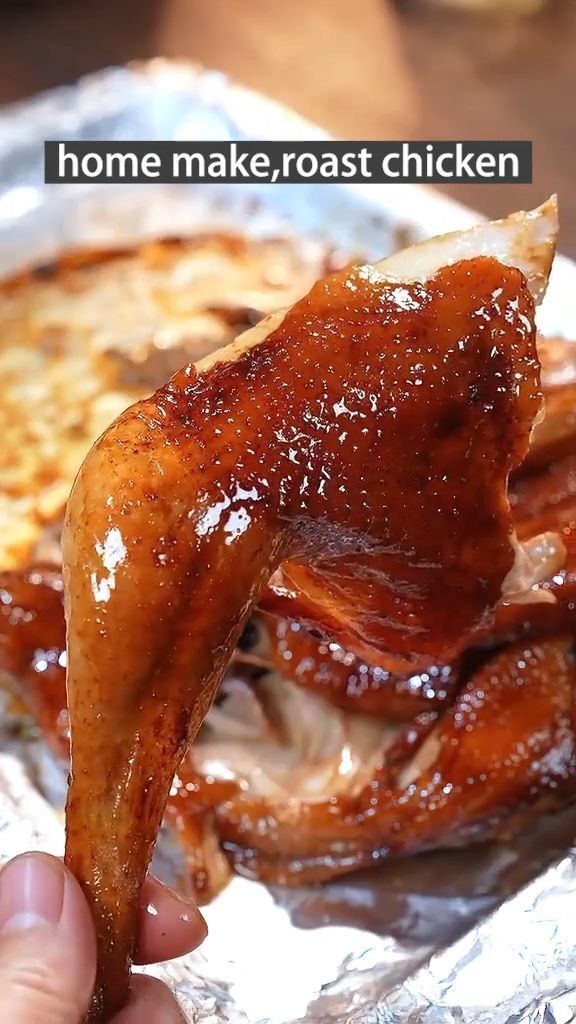
Roasted Chicken Perfection: Explore Our Delectable Recipes!
Roasted Chicken Perfection delivers crackling golden skin and juicy meat with just 15 minutes of hands-on prep and one simple dry-brine trick.
🧂 Ingredients
- 1 whole chicken, 4 to 4.5 lb (1.8 to 2 kg), giblets removed
- 1 tbsp kosher salt (15 g)
- 1 tsp baking powder (4 g), aluminum-free
- 1 tsp freshly ground black pepper (2 g)
- 1 large onion, halved and sliced into 1/2-inch rings (about 200 g)
- 1 lemon, quartered (about 90 g)
- 4 garlic cloves, smashed (about 12 g)
- 2 tbsp olive oil (30 ml)
- 1 tbsp unsalted butter, melted (14 g)
- 1/2 cup low-sodium chicken broth (120 ml), for the pan
📋 Instructions
- 1Dry-Brine the Chicken — Pat the chicken completely dry with paper towels, inside and out. Rub the kosher salt, baking powder, and black pepper all over the skin and into the cavity, then set it breast-side up on a wire rack over a plate and refrigerate uncovered for at least 12 hours and up to 24.
- 2Preheat and Build the Bed — Heat the oven to 450F (230C) with a rack in the lower-middle position. Scatter the sliced onion in a roasting pan or 12-inch cast-iron skillet and set the chicken breast-side up on top. Stuff the lemon quarters and smashed garlic into the cavity.
- 3Oil and Butter the Skin — Brush the olive oil all over the bird, then drizzle the melted butter over the breast. Pour the chicken broth into the pan around the onion, keeping it off the skin so the crust stays dry.
- 4Roast at High Heat — Roast at 450F (230C) for 20 minutes until the skin is pale gold and beginning to crisp. This blast of heat renders the fat under the skin and starts the Maillard browning.
- 5Lower and Finish — Reduce the oven to 375F (190C) and continue roasting 30 to 40 minutes, rotating the pan halfway, until the skin is deep golden brown and an instant-read thermometer in the thickest thigh reads 175F (79C) and the breast reads 160F (71C).
- 6Rest the Bird — Transfer the chicken to a cutting board and tent loosely with foil. Rest 15 minutes; the internal temperature will climb about 5 degrees and the juices will settle, leaving the meat juicy when carved.
- 7Make the Pan Sauce — Set the roasting pan over medium heat, spoon off all but 1 tablespoon of fat, and scrape up the browned bits with a wooden spoon. Simmer the onion and drippings 2 minutes until the liquid bubbles and thickens slightly, then strain if you like.
- 8Carve and Serve — Carve the chicken by removing the legs, then the wings, then slicing the breast against the grain. Spoon the warm pan sauce over the slices and serve immediately while the skin is still crisp.